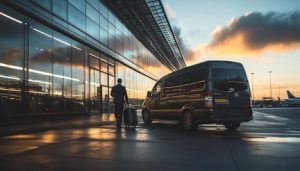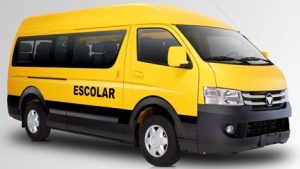


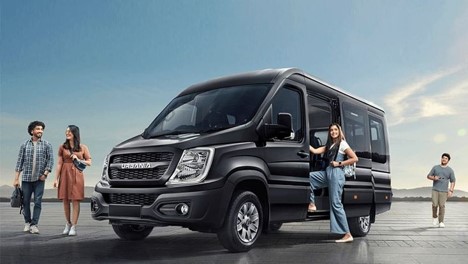
A group of ten reaches the curb with ten suitcases, three ski bags and a guitar case. The van looks big enough. The boot says otherwise. Moments like this show why luggage space matters as much as seat count when booking a van transport service. Most problems begin with one question nobody asked at booking time.
This blog explains what vans can usually carry, which items need extra planning, and what to share before the trip.
Seats and Space Are Two Different Numbers
Every van has a passenger rating. That number tells us how many people can sit down. It says very little about how many bags fit behind them.
A 12-seat van with every seat filled has a small rear cargo area. The same van with eight passengers has far more room, because the back rows can hold bags. Luggage and people share one space. More of one means less of the other.
Two questions help at the start:
- How many passengers are travelling?
- How many bags and extra items are coming with them?
What Different Van Sizes Usually Carry
Exact figures depend on the model and the seat layout. The ranges below are general guides only, so confirm details before the trip.
SUV or Minivan (1 to 5 Passengers)
This size suits small families and business travellers. One large suitcase per person, plus a few cabin bags, is a realistic load. Skis or boards may need the rear seats folded.
Standard Van (11 to 12 Passengers)
A standard van works well for mid-sized groups with carry-on bags. A full load of passengers with large suitcases becomes tight. Many groups choose a luggage van transfer layout here, with fewer seats used and more bags loaded.
Large Van (15 to 19 Passengers)
Large vans offer more floor and rear space. Even so, 19 passengers with large cases will usually exceed the cargo area. Leaving the last row empty can solve this.
Minibus (21 to 25 Passengers)
Minibuses often include rear or underfloor storage. This suits school groups, tour parties and wedding guests with modest luggage.
Gear That Needs Extra Planning
Standard suitcases are easy to predict. Sports and event gear is not. Long, fragile or oddly shaped items need a plan before the day.
Common examples include:
- Skis, snowboards and boot bags
- Surfboards and wetsuit bags
- Bicycles, boxed or assembled
- Golf clubs and team sports kits
- Musical instruments and sound equipment
- Display stands, banners and conference materials
A snowboard bag is long but thin. A bicycle is awkward yet can be stacked in a set order. A boxed display is light but bulky. Each item uses space differently, so a full list at booking helps the operator choose the right vehicle.
How Passenger Count Changes Luggage Space

Think of the passenger rating as a starting point. Each row of seats removed opens room for several large bags.
A rough planning guide:
- Full seats: soft bags and small cases only.
- One spare row: large cases and some sports gear.
- Two spare rows: bulky items, boards, boxes and bicycles.
For this reason, van hire with driver often works best when the vehicle is one size larger than the headcount suggests. A few empty seats can become valuable storage.
Smart Packing Tips for Groups
Good packing creates room without needing a bigger vehicle.
- Choose soft bags over hard shells, as they bend into gaps.
- Limit each person to one large bag and one small carry item.
- Share bags for skis and boards where possible.
- Keep laptops, medicine and fragile items in the cabin.
- Label every bag with a name and phone number.
- Fold empty bags and boxes flat.
Weight placement matters as well. Heavy items belong low and close to the floor. A trained driver will load this way as a matter of routine.
Safety Rules for Loaded Vehicles
Luggage must never block aisles, doors or emergency exits. Heavy items should not sit loose in the passenger area, since they can shift during braking. Seatbelts remain essential for every passenger, even when the cabin is full of bags.
Items that cannot be secured safely may need to travel in a trailer or a second vehicle. This protects people first and belongings second.
When a Trailer or Larger Vehicle Makes Sense
Some trips need more than a rearranged cargo area. A trailer or larger vehicle is the safer choice when:
- The group has more than one large bag per person.
- Bicycles, kayaks or long boards are travelling.
- Equipment must stay upright or protected.
- The route includes mountain roads, where loose items are a hazard.
A trailer adds capacity without taking passenger seats. A larger vehicle gives more space inside, which helps with fragile gear. The right choice depends on the equipment, the distance and the number of stops.
What to Tell Your Provider at Booking
Clear details lead to accurate quotes and fewer changes on the day. Share the following:
- Number of passengers
- Number and size of bags
- A list of sports or event gear
- Pickup and drop-off points, including stops
- Access limits, such as narrow streets or stairs
Photos of unusual items are useful. The weight of heavy equipment helps too. Honest numbers matter more than hopeful ones.
Conclusion
Luggage capacity depends on vehicle size, passenger count and the shape of the gear. Seat numbers alone never give the full picture. Groups that share clear details early receive a vehicle that fits both people and belongings.
Cheeky Kea Transport provides vans, large vans and minibuses, with options for oversized items and a quote tool that helps match a vehicle to each trip. Send us your passenger numbers and gear list, and our team will confirm the best fit for your van transport service.
FAQs
How many suitcases can a van carry?
The number depends on the model and how many seats are in use. A van with all seats filled usually carries about one large suitcase per person at most. With empty rows, capacity rises quickly. Confirm the exact figure with the provider.
Can a van transport service carry skis, snowboards and surfboards?
Yes, in most cases. These items are long so they may need folded seats, a roof option or a trailer. Mention them at booking so the right vehicle is assigned.
Is a trailer useful for a luggage van transfer?
A trailer is useful when bags or equipment exceed the van’s cargo area. It adds storage without removing passenger seats. Many operators offer trailers on request, so ask when requesting a quote.
How early should a group book when travelling with bulky gear?
Book as early as possible, especially during ski season, school holidays and event periods. Larger vehicles and trailers have limited availability, and early booking allows time to match the vehicle to the load.