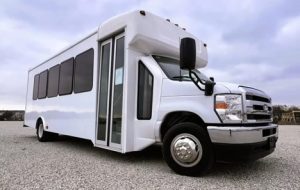
A bus that arrives twenty minutes late can shorten a museum visit, push lunch back and leave a teacher counting heads in a car park. Small delays add up fast when children are involved. That is why school bus hire deserves the same care as the camp programme itself.
Education outside the classroom (EOTC) gives students experiences a desk never could. Getting them there safely and on time is the part families notice first. Here is a clear, step-by-step way to plan it.
Why Transport Planning Comes First
Most EOTC tasks depend on one fixed point: the departure time. Activity bookings, meal breaks and supervision ratios all hang from it. Once transport is confirmed, everything else becomes easier to schedule.
Early planning also protects the budget. Vehicles for popular dates, such as the end of term, are often taken weeks ahead.
Three benefits of booking early:
- A wider choice of vehicle size and features
- More time to compare quotes
- Room to adjust if student numbers change
Define the Trip Before Asking for Quotes
An operator can only price what it understands. Clear details lead to accurate quotes and fewer changes later.
Information to Gather
- Number of students, teachers and parent helpers
- Pick-up point, destination and any stops on the way
- Departure and return times
- Luggage needs, such as sleeping bags, sports gear or bikes
- Students who need extra support, including mobility needs
Share the full picture in the first enquiry. Even a small item, like a trailer for camp equipment, can change the vehicle choice.
Match the Vehicle to the Group
Bigger is not always better. A half-empty coach wastes money, while a crowded minibus affects comfort and safety.
A Quick Guide to Vehicle Sizes
- Vans (about 11 to 19 seats): suit small groups, such as a senior class visiting a marae or a workplace.
- Minibuses (about 21 to 25 seats): work well for one class or a sports team.
- Coaches (about 25 to 50 seats): are the practical option for whole year-level camps.
Camps often involve several year levels. Two smaller vehicles can sometimes serve split pick-ups better than one large coach.
Ask whether the school field trip bus has air conditioning, working seatbelts and enough luggage space under the floor. Long journeys on winding roads feel much easier when students are comfortable.
Check Safety and Compliance
Parents trust schools to ask the hard questions. Checking the operator is part of that duty, and it fits with the Ministry of Education’s EOTC guidelines on managing risk.
Questions to Put to Any Operator
- Does the operator hold the required transport service licence?
- Do drivers hold a current passenger endorsement?
- Does the vehicle have a valid Certificate of Fitness?
- Are seatbelts fitted at every passenger seat?
- Are drivers first aid trained?
- What happens if the vehicle breaks down?
Keep the written answers with the trip’s risk management paperwork. A reply by email works well, since it can be attached to the approval form.
Build a Realistic Timetable
Plans written at a desk often run tighter than real roads allow. Allow for school-gate traffic, toilet stops and the time it takes thirty students to load their bags (it is always longer than expected).
Timing Tips
- Add a buffer of 15 to 30 minutes to each leg
- Plan a comfort break roughly every two hours on longer routes
- Confirm the exact drop-off and pick-up spots with the venue
- Share the driver’s contact number with the lead teacher
For overnight camps, check the driver’s work-time limits. A long day may need a second driver or a planned rest.
Budget and Compare Quotes
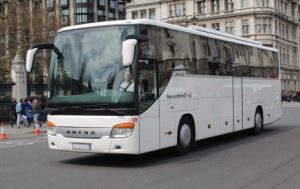
Price matters, but it is only one measure. Compare like with like: the same vehicle size, the same hours and the same extras.
Look closely at what each quote includes. Some cover waiting time and tolls, while others add them later. A lower figure that leaves out waiting time may cost more by the end of the day.
What to Compare
- Total cost per student
- Waiting time and kilometer charges
- Cancellation and change terms
- Extras such as Wi-Fi, a PA system or space for oversized luggage
Many schools find that one combined quote for EOTC trip transport, covering outward and return legs, is clearer than separate bookings. A school coach charter that includes both legs also makes the final invoice easier to check.
Brief Everyone Before the Day
Good communication keeps student group travel calm and orderly. A one-page briefing sheet goes a long way.
Include these points:
- Departure time and meeting place
- Seating plan or group allocation
- Behaviour expectations on the vehicle
- What to bring, and what to leave at home
- A contact number for the day
Send it to families at least a week ahead. Teachers should also walk through the emergency plan with parent helpers. People remember what they have rehearsed.
Prepare for the Unexpected
Weather turns, a student falls ill, a road closes. None of this is rare in New Zealand, where conditions can change within a single valley. A short contingency plan keeps decisions quick.
- Keep an alternative route or venue in mind
- Note the nearest medical centre along the journey
- Agree who calls families if the return time shifts
- Save the operator’s after-hours number in the lead teacher’s phone
Ask the operator how delays are managed. An experienced one will have a clear answer ready.
Conclusion
Good EOTC transport comes down to early decisions, clear details and honest checks. When the vehicle, timing and briefing are right, teachers can focus on the students rather than the road.
Cheeky Kea Transport supports schools with tailored school trip transport, seatbelts in every vehicle, first aid-trained drivers and a price-beat promise on equivalent quotes. Schools can request an instant online quote and share their group details to start planning.
FAQs
- How far ahead should a school book school bus hire for a camp?
Four to six weeks is a sensible target, and earlier for end-of-term dates. Early bookings give a wider choice of vehicles and time to adjust numbers.
- What should a school ask when arranging EOTC trip transport?
Ask about licences, driver endorsements, vehicle fitness, seatbelts and breakdown plans. Request the answers in writing for the risk management file.
- How many students fit on a school field trip bus?
It depends on the vehicle. Vans carry roughly 11 to 19 passengers, minibuses 21 to 25 and coaches up to about 50. The seat count should include teachers and parent helpers.
- Can student group travel include sports gear or camp equipment?
Usually yes, if the operator knows in advance. Mention bags, bikes or trailers when requesting a quote so the right vehicle is allocated.