



A good guide can turn a long drive into the best part of a holiday. A poor match can leave a van full of polite silence. We have seen both, and the difference rarely comes down to price. Hiring a private tour guide in New Zealand that travellers can rely on takes a little care, because that one person shapes every day of the trip.
Below, we explain what to check, what to ask and which warning signs deserve attention. Most of these points take only a few minutes to verify.
Start With the Purpose of Your Trip
Before comparing names, decide what the journey is for. A family chasing glacier needs something different from four colleagues on a food and wine day. A photography group wants patience at every lookout, and nobody minds a late lunch.
Write down a few basics first:
- Group size and ages
- Preferred pace (relaxed, steady or full)
- Main interests, such as hiking, wildlife, history or scenery
- Mobility or dietary needs
- Trip length and budget range
A guide can only plan well around what we tell them. Share the details early.
Verify Credentials Before Anything Else
Licensing and Legal Requirements
Many visitors search for a licensed tour guide NZ operators advertise, and it is a fair thing to want. The detail matters, though. New Zealand does not issue one single licence for every guide. Requirements depend on the activity and the location.
Ask whether the guide or operator holds the following where relevant:
- A passenger endorsement on the driver licence, if they also drive
- A transport service licence for the vehicle and business
- A concession from the Department of Conservation for guiding on public conservation land
- A safety audit for adventure activities such as rafting or glacier walks
A reputable guide will share these without hesitation. If the answer is vague, that tells us something too.
First Aid and Safety Training
Weather in this country changes fast. A sunny valley can turn cold and wet within an hour. Your guide should hold a current first aid certificate and carry a basic kit. Ask how they handle road closures, sudden storms and medical emergencies. A calm, specific answer is a good sign.
What a Qualmark Tour Operator Brings
Qualmark is New Zealand’s official quality mark for tourism. A Qualmark tour operator has been independently assessed on areas such as safety, service and environmental care. That gives a traveller a neutral reference point, which is handy when reviews disagree.
Still, it is a helpful signal and not a legal requirement. Some excellent small guides are not listed. If a guide has no rating, ask how they manage safety, insurance and customer feedback. Their answers often say more than a logo does.
Why Local Knowledge Carries Weight
An app can show a route. It cannot tell us that a pass will close after tonight’s snow, or that the best light at a lake arrives twenty minutes before sunrise. A local tour guide South Island visitors hire has usually learned these things the slow way, over many seasons.
Local knowledge shows up in practical ways:
- Smarter timing, so popular sites are visited before the crowds arrive
- Safer decisions on alpine roads and remote stretches
- Honest food and accommodation tips (the kind a brochure never prints)
- Stories behind place names, local history and Māori heritage
Here is a small example. Fuel stops are far apart on parts of the West Coast, and a guide who knows the gaps will fill the tank early without being asked. It is a minor detail until it is the only detail that matters.
Questions Worth Asking Before You Book
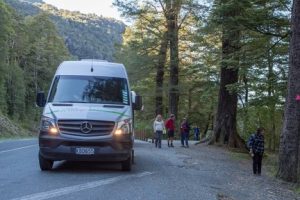
Good questions separate confident professionals from polished brochures. We suggest these:
- How long have you guided in this region?
- What qualifications, licences and first aid training do you hold?
- What is included in the price, and what costs extra?
- How flexible is the itinerary if the weather changes?
- Can you accommodate our group size, luggage and special requirements?
- Can you share recent reviews or contact details for past clients?
Pay attention to tone as much as content. A guide who listens, asks follow-up questions and admits what they do not know is usually a strong choice.
Warning Signs to Watch For
Most guides are honest and capable. A few signals still deserve a second look:
- Prices far below the market average, with no clear explanation
- No written itinerary, quote or terms
- Pressure to pay in full immediately by an unusual method
- Reluctance to share licences, insurance or references
- Reviews that all sound alike or appear on the same day
One warning sign alone is not a verdict. Several together are.
Review the Details in Writing
Once we shortlist a guide, we ask for a written confirmation. It should cover the route, dates, pick-up points, vehicle type, inclusions, cancellation terms and a weather backup plan. Clear paperwork avoids disagreements later and lets everyone relax on the day.
It also helps to speak with the guide by phone or video before paying a deposit. Ten minutes of conversation reveals personality, humour and honesty far better than a website can.
Conclusion
The right guide combines verified credentials, regional knowledge and an easy manner with people. Check licences, look for independent quality marks, ask direct questions and match the personality to the group. That process takes a little time, and it protects the whole journey.
At Cheeky Kea Transport, we design customized private tours from a single day to a full month, with first-aid-trained drivers and vehicles sized to suit each group. If you would like help planning a trip, share your dates and interests with our team, and we will build a plan around them.
FAQs
Do I need a licensed tour guide in NZ?
There is no single national licence for all guides. Requirements vary by activity so operators may need transport licences, conservation concessions or adventure safety audits.
What does Qualmark mean for a tour operator?
It is New Zealand’s official tourism quality mark. A business carrying it has been independently assessed on standards such as safety, service and sustainability.
Is a private guide worth the cost compared with a group tour?
For many travellers, yes. A private guide offers flexible timing, a tailored route and personal attention. The value is highest for families, small groups and anyone with specific interests or mobility needs.
How early should I book a local guide in the South Island?
For peak summer (December to February) and the ski season, we suggest booking three to six months ahead. Outside those periods, a few weeks is often enough, although popular guides still fill quickly.